In a world where consumers are bombarded with thousands of messages daily, brands that can cut through the noise and make a direct, personal connection win. That’s where Below The Line (BTL) marketing shines.
While Above The Line (ATL) focuses on mass awareness, BTL is about targeted communication, personal engagement, and measurable results. In 2025, BTL has evolved with technology to become more precise and powerful than ever before.
What is BTL Marketing?
Below The Line (BTL) marketing involves strategies that are more direct, personalized, and measurable. It’s about engaging with specific segments of the audience through non-media channels, often face-to-face or via personalized digital experiences.
Common BTL Tactics:
- Direct mail
- Email campaigns
- In-store promotions
- Experiential marketing
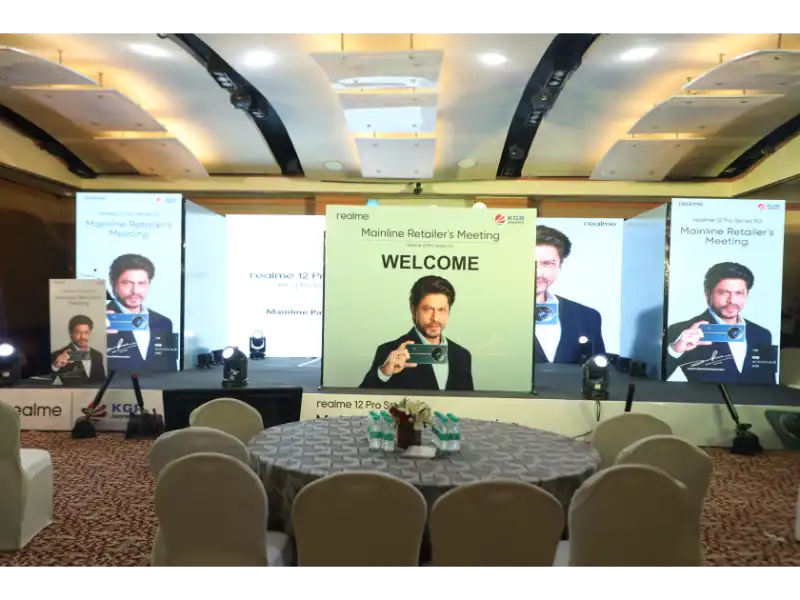
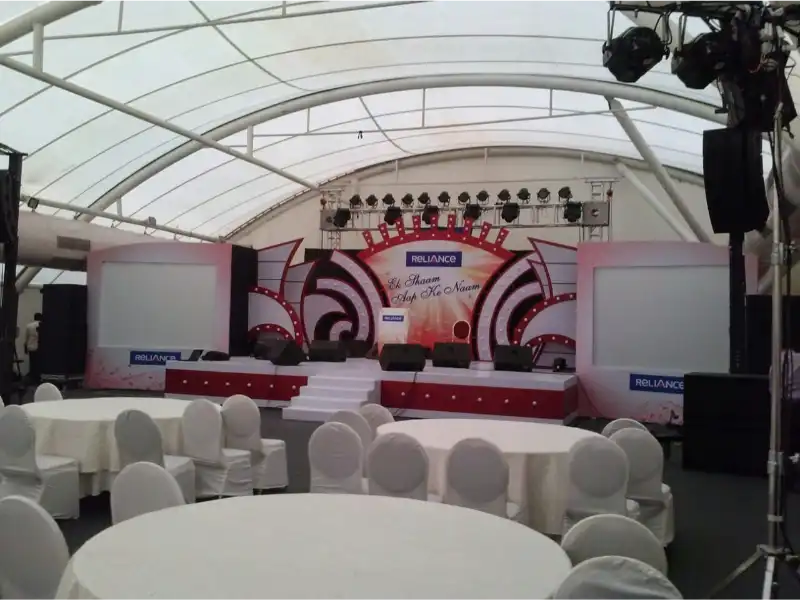
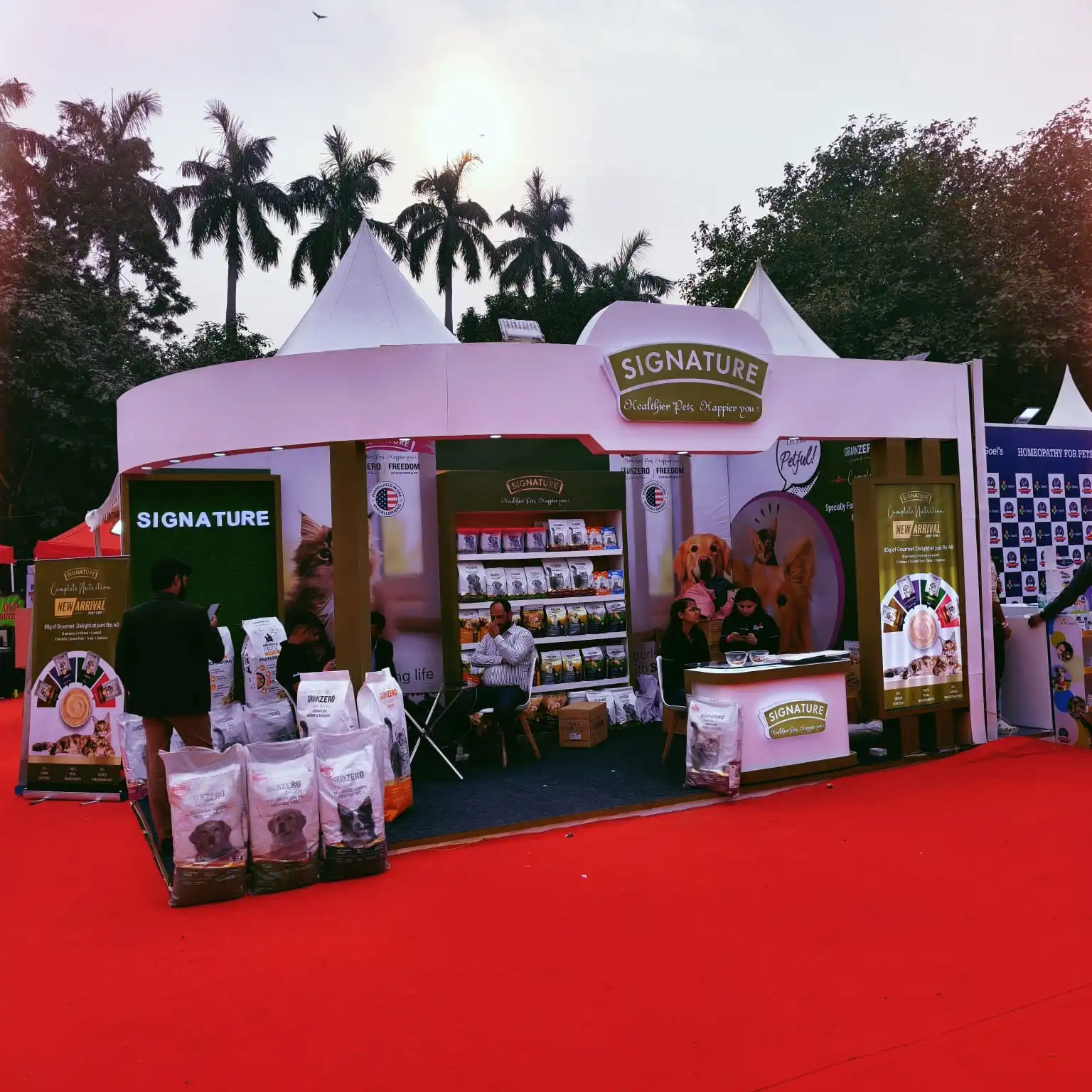
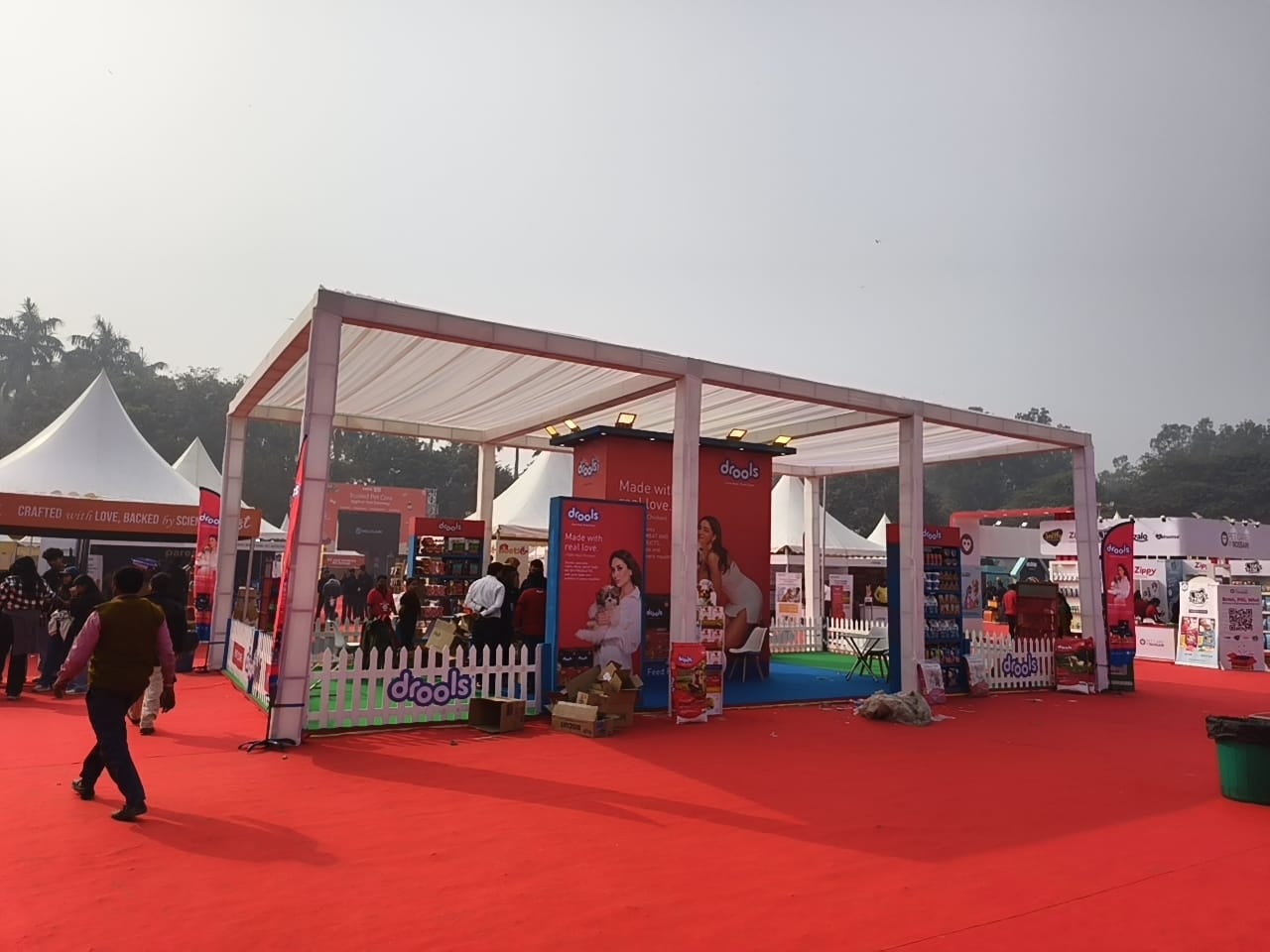
- Trade shows and exhibitions
- Telemarketing
- Influencer collaborations (micro & nano influencers)
- WhatsApp marketing & SMS
Key Characteristics of BTL Marketing
- Highly Targeted
BTL campaigns are designed to speak to specific customer segments — not the masses. This ensures more relevant messaging and higher conversion rates. - Measurable ROI
Because these campaigns often involve direct interactions, it’s easier to track responses, leads, and conversions. - Personalized Experience
BTL creates a two-way communication channel, which allows for relationship-building and customer loyalty. - Cost-Effective
Compared to ATL, BTL campaigns can be more budget-friendly, especially for small to mid-sized businesses.
The Evolution of BTL Marketing in 2025
BTL in 2025 isn’t just flyers and cold calls — it’s smart, tech-enabled, and deeply personal.
1. Hyper-Personalization
AI and big data allow brands to craft messages tailored to individual customer behaviors and preferences — from personalized offers to one-on-one WhatsApp conversations.
2. Interactive Experiences
AR/VR at pop-up events, smart product demos, and interactive kiosks are redefining how brands engage people in physical spaces.
3. Micro-Influencer Marketing
While celebrities grab headlines, it’s the micro and nano influencers who drive trust and conversions — especially in niche markets.
4. CRM-Driven Campaigns
Customer data is the foundation of modern BTL. Integrating CRM with email, SMS, and loyalty programs helps brands maintain a consistent and engaging relationship with customers.
5. WhatsApp & Messenger Campaigns
With open rates as high as 98%, chat-based platforms are becoming central to BTL communication, particularly for support, offers, and feedback.
When to Use BTL Marketing
BTL is ideal when you want to:
- Drive direct conversions or sales
- Build personal relationships with customers
- Promote in-store or hyperlocal events
- Launch loyalty or referral programs
- Re-target existing customers with tailored offers
ATL vs. BTL: The Modern Approach
In today’s omnichannel environment, the real power comes from combining ATL and BTL strategies. For example:
- Use ATL to generate awareness.
- Follow up with BTL to convert interest into action.
Example: A TV ad (ATL) promotes a new product. Interested viewers are driven to a website where they opt-in for a free trial. A personalized email (BTL) follows up with a special offer.
Final Thoughts
BTL marketing in 2025 is smarter, more personalized, and more essential than ever. It’s not just about reaching people — it’s about reaching the right people, in the right way, at the right time.
Whether you’re nurturing leads, creating memorable brand moments, or building lasting customer relationships, BTL gives you the tools to make it happen — with precision and impact.