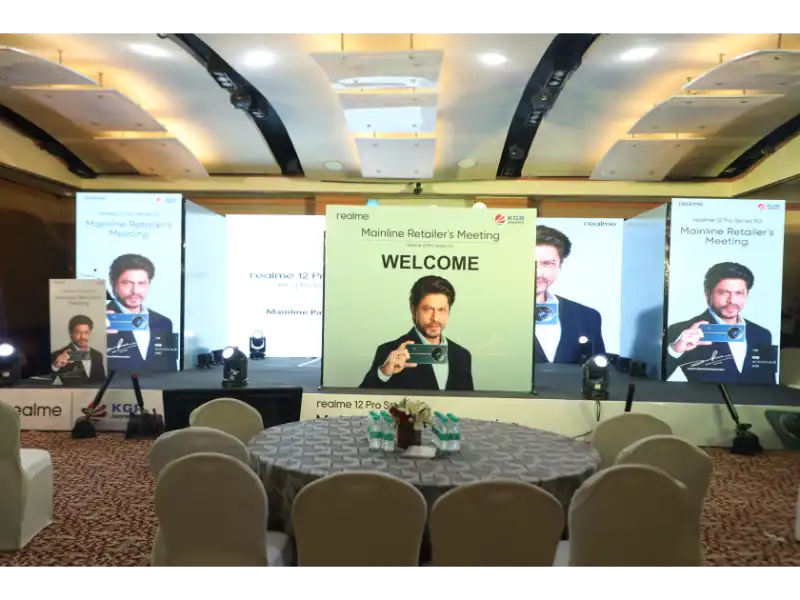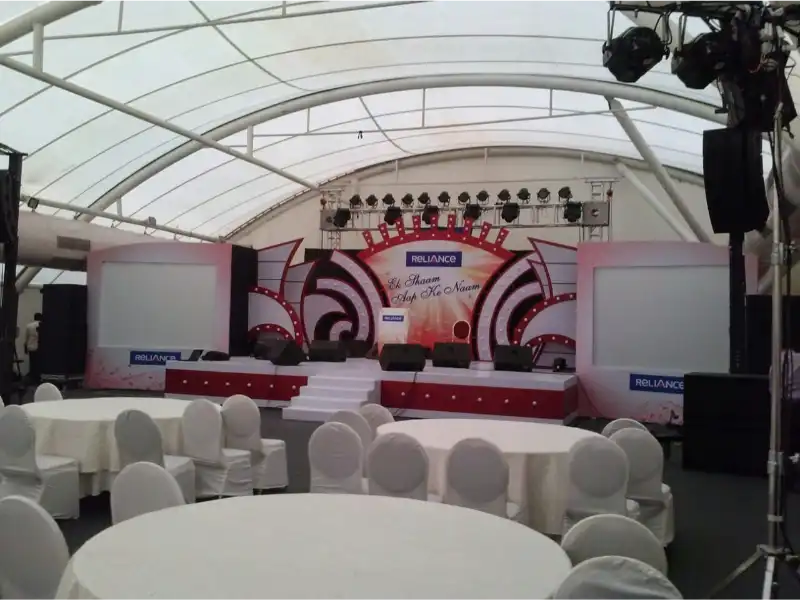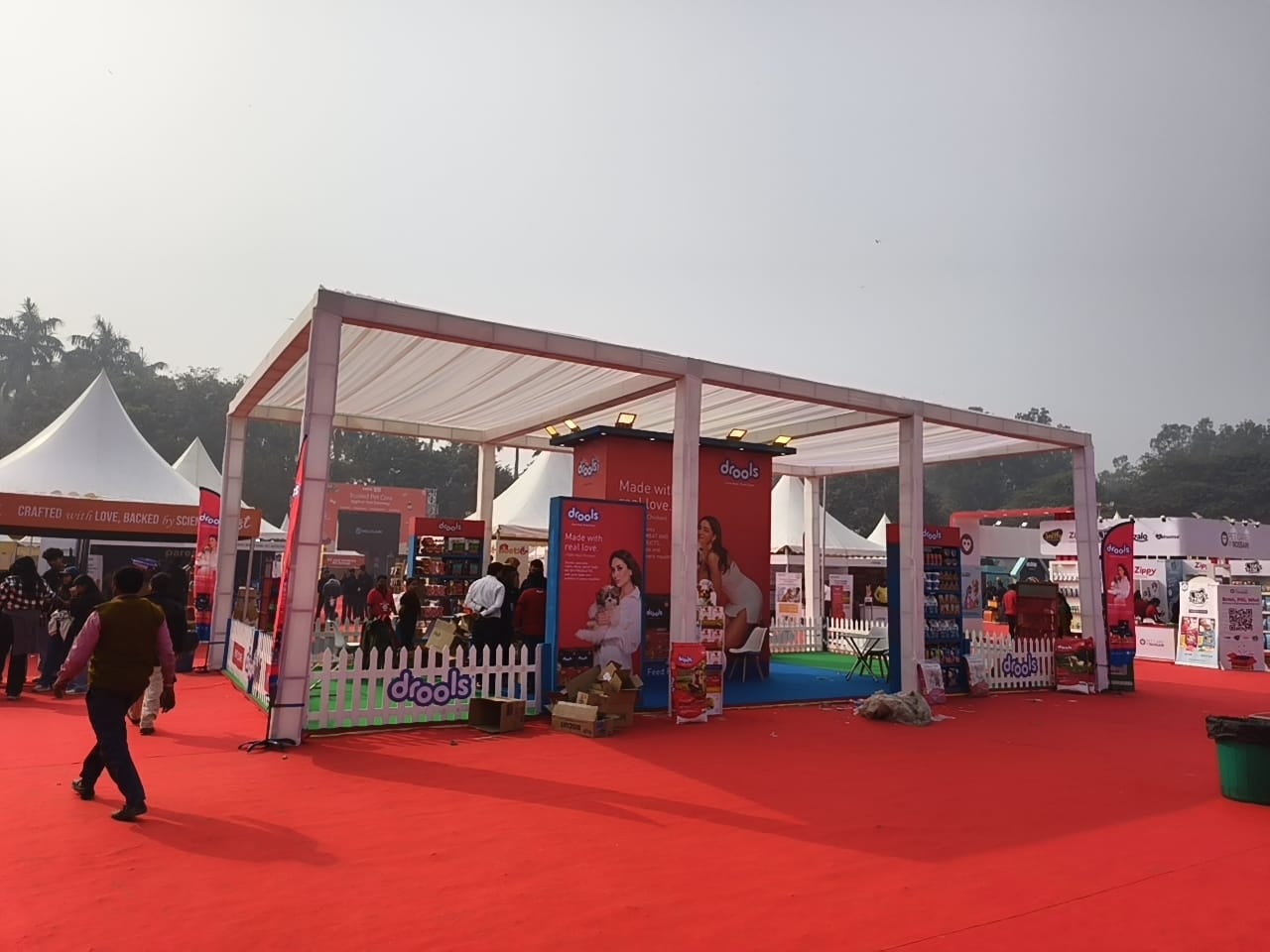
In an era dominated by digital ads and online engagement, exhibitions remain one of the most effective real-world platforms for brands to make meaningful connections. Whether you’re launching a new product, entering a new market, or strengthening industry relationships, exhibition marketing is a proven way to drive visibility, trust, and leads.
In 2025, exhibitions are not just about setting up a booth — they’re about creating an immersive brand experience.
What is Exhibition Marketing?
Exhibition marketing is a form of BTL marketing where businesses promote their products or services at trade shows, expos, fairs, or industry-specific exhibitions. These events gather stakeholders, prospects, media, and competitors under one roof, offering a high-impact platform for networking and lead generation.
Why Exhibitions Still Matter in 2025
While virtual events gained traction post-2020, physical exhibitions have made a strong comeback — often with a hybrid twist.
Here’s why exhibitions are still effective:
- Face-to-face trust building
People do business with people. Face-to-face interaction builds credibility and rapport quickly. - Hands-on product experience
Unlike digital, exhibitions allow potential customers to touch, test, and experience products firsthand. - Immediate feedback
You can gather live reactions, answer questions, and handle objections in real time. - High-quality leads
Attendees are usually decision-makers or serious prospects looking for solutions. - Brand visibility in your industry
Being present at key expos enhances brand perception and authority.
Key Elements of a Successful Exhibition Strategy
1. Pre-Event Planning
- Define clear goals: Leads? Partnerships? Product launches?
- Choose the right exhibition: Industry relevance, audience, location.
- Design a standout booth: Visually appealing, informative, and interactive.
- Promote your presence: Use email, social media, PR, and influencers to drive traffic to your stall.
2. Booth Design & Engagement
- Invest in interactive displays (touchscreens, AR/VR, product demos).
- Offer experiential elements (live workshops, contests, samples).
- Train your staff to be approachable, knowledgeable, and proactive.
- Use branded giveaways with real utility.
3. Lead Capture & Follow-up
- Use digital forms, QR scans, or apps to capture visitor info.
- Segment leads immediately: hot, warm, cold.
- Follow up within 48 hours with personalized emails or offers.
4. Post-Exhibition Analysis
- Measure ROI: leads generated, deals closed, brand mentions.
- Collect team feedback to improve future performance.
- Repurpose content: event videos, photos, customer testimonials.
Pro Tips for 2025 Exhibitions
🔹 Hybrid is Here to Stay
Consider streaming parts of your booth experience or hosting live Q&As on LinkedIn or Instagram during the event.
🔹 Sustainability Matters
Eco-friendly booths, paperless flyers, and green giveaways leave a strong impression.
🔹 AI-Enhanced Engagement
Use chatbots, lead scoring tools, or facial recognition to improve interactions and data collection.
🔹 Gamification Works
Incorporate games, quizzes, or digital spin-the-wheel experiences to keep visitors engaged and increase booth dwell time.
Who Can Benefit from Exhibition Marketing?
- B2B Companies: Great for networking, lead generation, and partnerships.
- Tech & Startups: Product demos, pitching, and visibility.
- Retail & FMCG: Sampling, brand awareness, and launching new lines.
- Healthcare, Education, Automotive, and More: Build trust and inform audiences.
Final Thoughts
In 2025, exhibition marketing remains a high-impact strategy for brands that want to make a memorable impression. The key is to blend innovative technology with authentic human engagement. When done right, a single exhibition can open doors to dozens of long-term business opportunities.
So don’t just show up — stand out.